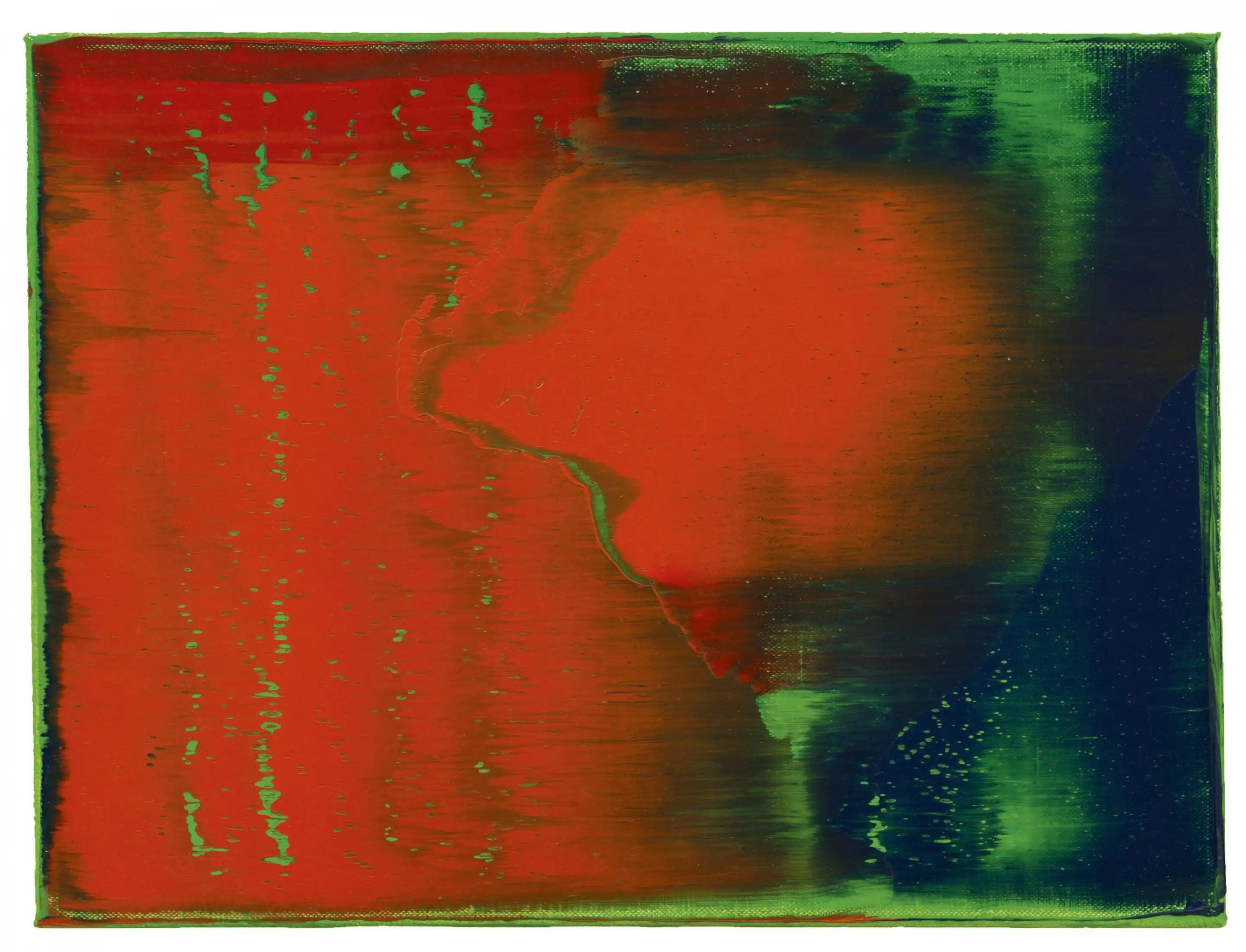
The same painting, sold twice
Post-War Artist Repeat Sales Price Performance
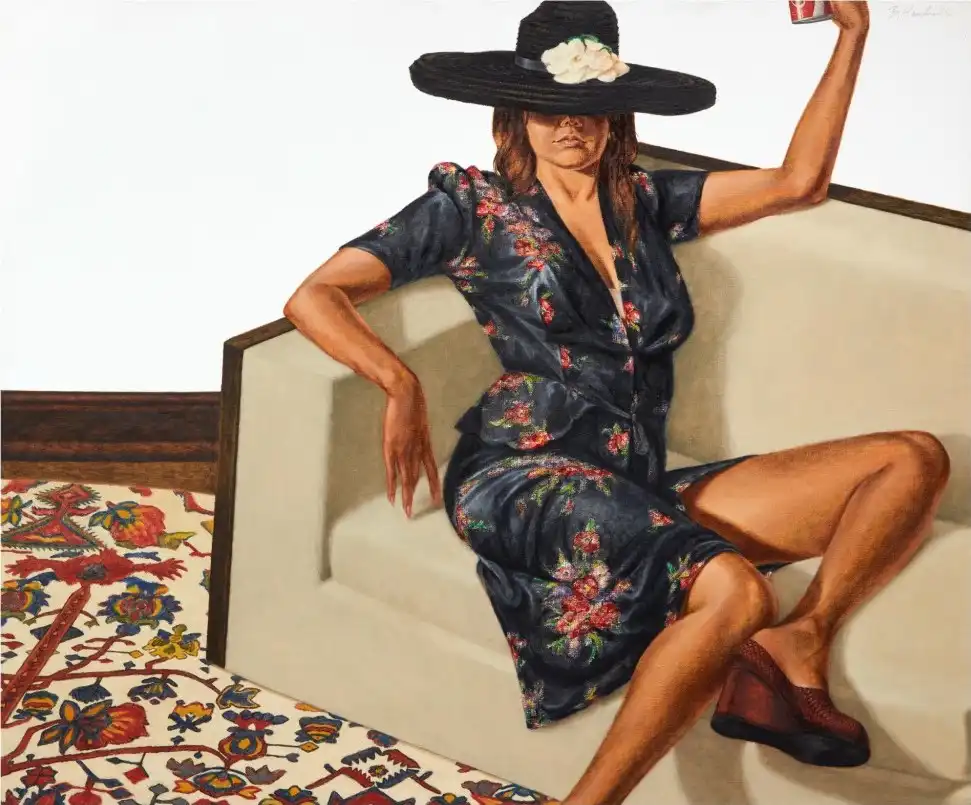
Here’s a number that shouldn’t be possible. A portrait sold for $48,000 in 2010. A decade later, the same painting came back to auction carrying a $2–3 million estimate. Not a similar work. Not another piece by the same hand. The same canvas.
Most price charts can’t show you that, and it’s worth understanding why. When you average an artist’s auction results, you’re blending a major painting sold one year with a minor study sold the next. The average moves, but it can’t tell you whether the work got more valuable or whether a better painting simply came up for sale. It flatters the artist and tells you almost nothing.
Repeat sales fix that. You take one object and look at what it fetched the first time against what it fetched the second. One painting, repriced, with nowhere to hide. It’s the cleanest read there is on what a name is actually worth — and the number that’s hardest to argue with.
So I sorted Arthur’s Post War painters — artists born between 1911 and 1945 — by repeat-sales CAGR. The top of the list isn’t who you’d guess.
Barkley L. Hendricks leads at 47.3%. That $48,000 portrait is his. His 2008 retrospective pulled him out of obscurity, and the market is still catching up to what the institutions already decided.
Samia Halaby follows at 34.4%. Her Water Lilies sold for about $37,000 in 2020 and $138,600 in 2024 — the same canvas, 3.7x, in under four years. Eight of her ten best results have landed in the last three years.
The rest of the five run the same script. Manoucher Yektai (30.8%) was a New York School painter Leo Castelli once backed, then all but forgotten, now being rediscovered. Shanti Dave (28.9%) is a Baroda Group pioneer finally getting priced as Indian Modernism reaches Western sale rooms. Frank Bowling (25.6%) spent decades in neglect before a Tate retrospective and Hauser & Wirth — and now museums compete for the work.
Here’s the thread that ties all five together. Every one of them is an artist the canon skipped, revalued once the institutions caught up. None of them are hot the way a trending contemporary name is hot. They’re being repriced — corrected — as the museum shows and the gallery representation force the market to look again. The retrospective comes first. The price follows.
That’s the pattern worth watching, because it repeats. When a long-overlooked artist gets a serious retrospective, the repeat-sales math tends to move before the headlines do.
You can run this yourself in about a minute: open Arthur, go to Analytics → Artists – Price CAGR, and filter by Post War. Sort it however you like — the whole ranking is there.
— James
Arthur is free on iOS and Android, and at arthuranalytics.com.