The Old Masters that never leave the salesroom
Arthur ranks Old Masters by auction lot volume to show which markets are deepest and most liquid.
Some artists surface at auction a handful of times a generation. Others never really leave the salesroom. Rank the Old Masters, everyone born before 1821, by the sheer number of works that have crossed the block, and the same five names sit at the top. That ranking is telling you something real about where this market is deepest.
Lot volume is simply how many individual works by an artist have come up at auction. It’s one of the cleanest signals of a healthy market, for two reasons:
Demand — buyers keep showing up. Thousands of lots don’t clear over the years unless there’s a deep, renewing base of collectors on the other side. Volume is demand made visible.
Liquidity — you can actually buy and sell. When works come to market this often, there’s steady supply, a long price record to value against, and a real buyer waiting when you decide to sell. Thin markets can look thrilling until it’s your turn to sell. Deep ones give you room.
The five Old Masters, born before 1821, with the most lots ever sold at auction:
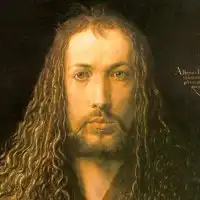
Albrecht Dürer — 8,858 lots
The greatest printmaker of the Northern Renaissance. His engravings and woodcuts, Melencolia I, Knight, Death and the Devil, were made in real numbers and still circulate five centuries later. He also more or less invented the artist as a brand; that AD monogram is the original logo.
David Teniers the Younger — 5,849 lots
The defining Flemish genre painter of the 1600s: tavern scenes, village fairs, peasants at play. He was also court painter and keeper of the collection for Archduke Leopold Wilhelm, painting the famous gallery pictures that document one of history’s great cabinets. Prolific in his lifetime, everywhere at auction now.
Antoine-Louis Barye — 5,337 lots
The father of the animalier movement, and the artist who made animal sculpture serious art. His Romantic bronzes, big cats, muscle, struggle, were cast in editions, which is exactly why so many are in circulation. The Louvre and the Walters both collect him deeply.
Rembrandt van Rijn — 4,866 lots
Most of that volume is etchings, and that’s the point: Rembrandt’s prints are among the most collected objects in all of Western art. His paintings define the Dutch Golden Age; his etchings put a piece of him within reach, which is why they keep changing hands.
Pierre-Jules Mène — 4,385 lots
The most commercially successful animalier of them all: horses, hounds, the aristocratic sporting world in bronze. His foundry cast and sold widely across Europe, so his work sits in collections everywhere and surfaces at auction constantly.
Notice the pattern: printmakers and sculptors dominate. Artists who worked in multiples, editions of etchings, casts of a bronze, put more objects into the world, and more objects mean a deeper, more liquid market. It’s not that Dürer is “bigger” than a painter of unique canvases; it’s that his market simply has more places to change hands.
See the full ranking, and filter it your own way, in Arthur: Analytics → Lot Volume → filter by Old Masters.